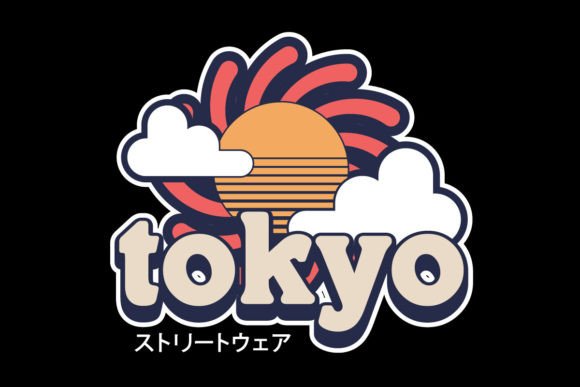
Urban Edge: Capturing Tokyo Streetwear Tshirt Design
The electric pulse of Shibuya, the neon-drenched alleyways of Shinjuku, and the distinct sartorial flair of Harajuku have long defined a visual language that transcends borders. For designers and entrepreneurs looking to bottle this lightning, Tokyo Streetwear Tshirt Design offers more than just graphics; it delivers a cultural statement. In a saturated market of fast fashion and generic apparel, creating merchandise that resonates requires a deep understanding of aesthetic balance. This collection is engineered for those who want to merge the raw energy of Japanese street culture with the precision of modern vector art. Whether you are launching an independent clothing label, curating a line of accessories, or simply looking to elevate your digital presence, the versatility of these designs provides a solid foundation for creative exploration.
The Anatomy of an Aesthetic Collection
What sets a successful streetwear design apart from a forgettable print? It often comes down to the details and the medium. This specific collection focuses on the interplay between typography and imagery, offering "aesthetic quotes" that feel organic to the streetwear genre. Unlike raster images that pixelate when scaled, these assets are built on 100% vector architecture. This is a crucial distinction for anyone serious about quality control in their production workflow.
The ability to transform, scale, and recolor elements without losing quality is not just a technical specification—it is a business advantage. Imagine designing a massive back-print for a hoodie and then needing the same graphic to fit neatly on a breast pocket for a t-shirt. With vector source files in EPS format, this transition is seamless. You are not restricted by resolution limitations. Furthermore, the inclusion of high-resolution JPGs ensures you have ready-to-use assets for immediate digital deployment, such as mockups for social media or website headers. The workflow is designed to be frictionless: extract the ZIP, import into your preferred vector graphics software, and begin the customization process.
Practical Applications Beyond the Cotton Tee
While the name suggests a focus on apparel, the utility of a high-quality Tokyo Streetwear Tshirt Design extends far beyond sublimation printing. The visual language of streetwear—often characterized by bold statements, distressed textures, and edgy typography—is incredibly effective in modern marketing and branding. If you are a content creator or a small business owner, these designs can serve as a bridge between your product and your audience.
Consider the versatility of these assets across different mediums:
- Social Media Graphics: In the fast-paced scroll of Instagram or TikTok, you have milliseconds to grab attention. Using these aesthetic quotes as standalone posts or integrating them into Stories can significantly boost engagement. The urban vibe appeals to a broad demographic, particularly Gen Z and Millennials.
- Packaging Design: For brands selling tech accessories, cosmetics, or skate hardware, packaging is the first physical touchpoint. Applying these vector elements to mailer boxes or tissue paper creates an unboxing experience that feels curated and premium.
- Editorial and Web Design: Blogs and digital magazines often struggle to find imagery that feels authentic without using stock photos. These designs can act as decorative borders, pull-quote backgrounds, or hero images that set a specific mood for articles related to culture, music, or fashion.
- Physical Merchandise: The obvious application is apparel, but think wider. Stickers are a massive part of street culture. These designs are perfect for die-cut sticker sheets. Additionally, they translate well to posters, tote bags, and even skateboard decks.
Building a Cohesive Brand Identity
Consistency is the cornerstone of brand recognition. When you utilize a specific aesthetic across all your touchpoints, you build trust with your audience. The Tokyo streetwear style is distinct; it signals a certain understanding of contemporary trends and counter-culture. By incorporating these designs into your brand assets, you are essentially borrowing from that cultural equity.
However, integration requires strategy. You shouldn't just slap a graphic onto a product. You need to think about how the design interacts with your existing color palette and typography. Because the files are easily editable, you can recolor the designs to match your brand’s hex codes perfectly. This allows you to maintain visual consistency while introducing fresh, energetic elements. For example, if your brand uses a minimalist black-and-white palette, you can use the vector files to strip away excess color, focusing entirely on the line work and typography to create a stark, high-contrast look.
Technical Workflow and Design Tips
To get the most out of these assets, a basic understanding of vector manipulation is helpful. Software like Adobe Illustrator or Affinity Designer allows you to ungroup elements, move text, and adjust kerning. Here is a practical approach to using these files for your next project:
- Deconstruct First: Before you start adding your own text, break the design apart. Look at the individual elements. Sometimes, a small icon or a specific arrangement of lines from the main design can be extracted and used as a secondary pattern for your brand.
- Typography Pairing: Streetwear designs often use bold, condensed, or handwritten fonts. If you plan to add your brand name or a slogan to the design, choose a typeface that complements rather than competes. If the quote design is complex, pair it with a clean sans-serif font for balance. If the design is minimal, you might opt for a display font with more character.
- Mockup Testing: Never finalize a design without seeing it in context. Use the JPG files to create digital mockups on t-shirts, hoodies, and tote bags. Check how the design reads from a distance. Streetwear is often viewed from across the room; ensure your "aesthetic quote" is legible and the composition holds up at a glance.
Targeting the Right Audience
Understanding who wears streetwear is key to marketing it. This style appeals to individuals who value self-expression, music, art, and urban exploration. It is not just about clothing; it is about an attitude. When you use a Tokyo Streetwear Tshirt Design, you are speaking the visual dialect of this audience.
For entrepreneurs, this means your marketing copy and visual assets should reflect this lifestyle. Use the designs to create lookbooks that feel more like zines. Create marketing materials that look gritty and authentic rather than overly polished and corporate. The rawness of the vector art allows for this flexibility. You can leave the edges rough or clean them up for a more refined street-luxe look. This adaptability makes the collection a valuable asset for anyone ranging from a hobbyist making gifts for friends to a professional designer working for a high-end streetwear label.
Final Thoughts on Creative Ownership
In the world of design assets, the license is just as important as the aesthetic. This collection is geared toward commercial use, allowing you to monetize your creativity without legal hurdles. This is vital for small business owners who need to move quickly and scale their operations. You are not just buying a picture; you are acquiring a tool that generates revenue.
The "Tokyo Streetwear" aesthetic is timeless yet constantly evolving. By having a library of editable, high-quality vector quotes and graphics, you position yourself to adapt to trends without starting from scratch every season. Whether you are designing a limited edition drop for your clothing brand or creating a series of stickers for your Etsy shop, the ability to customize these files ensures that your final product is uniquely yours. Dive into the files, experiment with the colors, and let the energy of Tokyo’s streets fuel your next creative venture.